
Teeth Numbers and Names: The Ultimate Chart Guide You Will Love
Teeth Numbers and Names: The Ultimate Chart Guide You Will Love
What Are Teeth Numbers and Names?
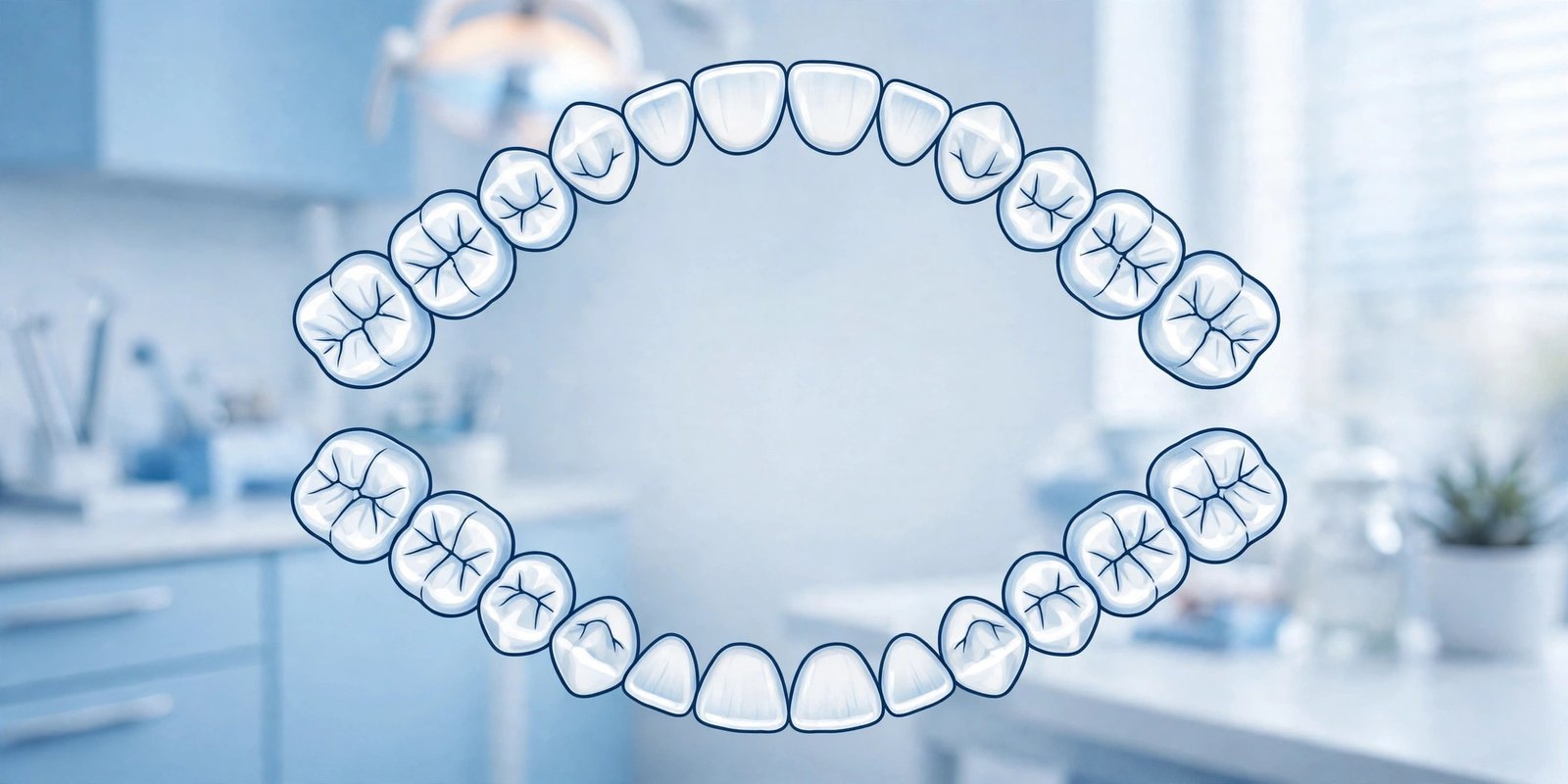
Teeth numbers and names is the simple chart system that labels every tooth in your mouth so dentists, parents, and students can talk about the exact same tooth. The United States uses the Universal system with numbers 1 to 32, while most other countries use the FDI two digit system. Baby teeth use letters A to T.
This guide lists all the teeth numbers and names in plain words, from adult charts to baby tooth letters. In this article, we will discuss about teeth numbers and names.
Quick Picks: Teeth Numbers and Names at a Glance
- Lower left first molar Most mentioned chewing tooth
- Upper front pair Shape your smile
- Counting start Begins the whole chart
- Baby letter E Baby front tooth
- World code 11 FDI upper right front
- Wisdom set Teeth 1, 16, 17, 32
Two teeth numbering systems cover every dental office. The quick list below shows how they differ.
- Universal system One number per tooth in the United States
- FDI system Two digit code per tooth worldwide
- Baby teeth Letters A to T in the United States
What Are the Upper Right Teeth Numbers and Names?
This part of the teeth numbers and names chart covers 8 adult teeth: Universal numbers 1 to 8 and FDI codes 11 to 18.
- #1 Upper right wisdom tooth
- #2 Upper right second molar
- #3 Upper right first molar
- #4 Upper right second premolar
- #5 Upper right first premolar
- #6 Upper right canine
- #7 Upper right lateral incisor
- #8 Upper right central incisor
- 11 Upper right central incisor
- 12 Upper right lateral incisor
- 13 Upper right canine
- 14 Upper right first premolar
- 15 Upper right second premolar
- 16 Upper right first molar
- 17 Upper right second molar
- 18 Upper right wisdom tooth
- UR1 Upper right central incisor
- UR2 Upper right lateral incisor
- UR3 Upper right canine
- UR4 Upper right first premolar
- UR5 Upper right second premolar
- UR6 Upper right first molar
- UR7 Upper right second molar
- UR8 Upper right wisdom tooth
- Quadrant one Upper right tooth zone
What Are the Upper Left Teeth Numbers and Names?
This tooth numbering chart section covers 8 adult teeth: Universal numbers 9 to 16 and FDI codes 21 to 28.
- #9 Upper left central incisor
- #10 Upper left lateral incisor
- #11 Upper left canine
- #12 Upper left first premolar
- #13 Upper left second premolar
- #14 Upper left first molar
- #15 Upper left second molar
- #16 Upper left wisdom tooth
- 21 Upper left central incisor
- 22 Upper left lateral incisor
- 23 Upper left canine
- 24 Upper left first premolar
- 25 Upper left second premolar
- 26 Upper left first molar
- 27 Upper left second molar
- 28 Upper left wisdom tooth
- UL1 Upper left central incisor
- UL2 Upper left lateral incisor
- UL3 Upper left canine
- UL4 Upper left first premolar
- UL5 Upper left second premolar
- UL6 Upper left first molar
- UL7 Upper left second molar
- UL8 Upper left wisdom tooth
- Quadrant two Upper left tooth zone
What Are the Lower Left Teeth Numbers and Names?
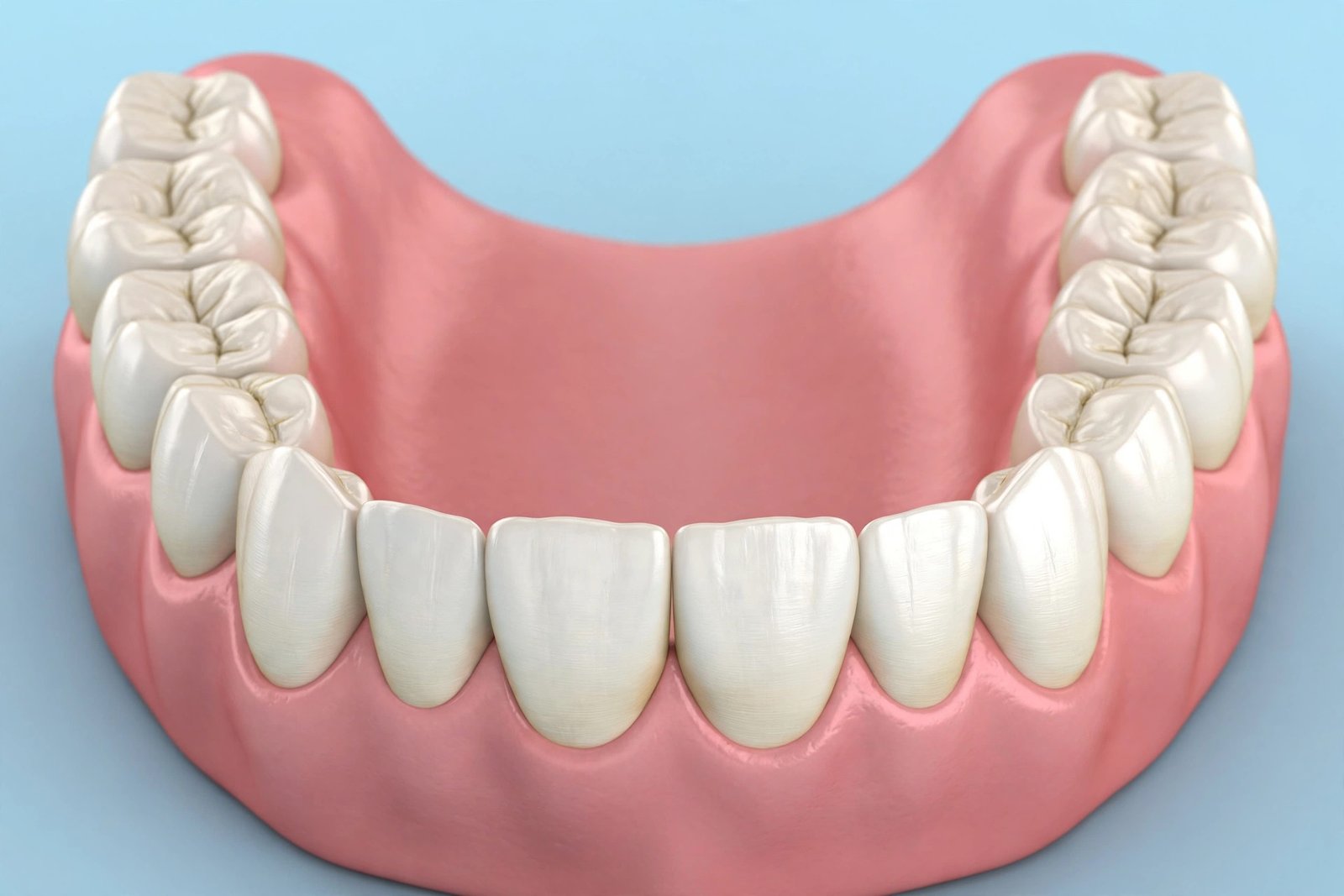
This part of the teeth numbers and names chart covers 8 adult teeth: Universal numbers 17 to 24 and FDI codes 31 to 38.
- #17 Lower left wisdom tooth
- #18 Lower left second molar
- #19 Lower left first molar
- #20 Lower left second premolar
- #21 Lower left first premolar
- #22 Lower left canine
- #23 Lower left lateral incisor
- #24 Lower left central incisor
- 31 Lower left central incisor
- 32 Lower left lateral incisor
- 33 Lower left canine
- 34 Lower left first premolar
- 35 Lower left second premolar
- 36 Lower left first molar
- 37 Lower left second molar
- 38 Lower left wisdom tooth
- LL1 Lower left central incisor
- LL2 Lower left lateral incisor
- LL3 Lower left canine
- LL4 Lower left first premolar
- LL5 Lower left second premolar
- LL6 Lower left first molar
- LL7 Lower left second molar
- LL8 Lower left wisdom tooth
- Quadrant three Lower left tooth zone
What Are the Lower Right Teeth Numbers and Names?
This teeth numbering guide section covers 8 adult teeth: Universal numbers 25 to 32 and FDI codes 41 to 48.
- #25 Lower right central incisor
- #26 Lower right lateral incisor
- #27 Lower right canine
- #28 Lower right first premolar
- #29 Lower right second premolar
- #30 Lower right first molar
- #31 Lower right second molar
- #32 Lower right wisdom tooth
- 41 Lower right central incisor
- 42 Lower right lateral incisor
- 43 Lower right canine
- 44 Lower right first premolar
- 45 Lower right second premolar
- 46 Lower right first molar
- 47 Lower right second molar
- 48 Lower right wisdom tooth
- LR1 Lower right central incisor
- LR2 Lower right lateral incisor
- LR3 Lower right canine
- LR4 Lower right first premolar
- LR5 Lower right second premolar
- LR6 Lower right first molar
- LR7 Lower right second molar
- LR8 Lower right wisdom tooth
- Quadrant four Lower right tooth zone
What Are the Upper Baby Teeth Letters and Names?
This teeth numbers and names chart section covers upper baby teeth: letters A to J, with no premolars.
- A Upper right second molar
- B Upper right first molar
- C Upper right canine
- D Upper right lateral incisor
- E Upper right central incisor
- F Upper left central incisor
- G Upper left lateral incisor
- H Upper left canine
- I Upper left first molar
- J Upper left second molar
- 55 Upper right second molar
- 54 Upper right first molar
- 53 Upper right canine
- 52 Upper right lateral incisor
- 51 Upper right central incisor
- 61 Upper left central incisor
- 62 Upper left lateral incisor
- 63 Upper left canine
- 64 Upper left first molar
- 65 Upper left second molar
- First baby tooth Near six months old
- All twenty Set done by three
- Lose around six Start falling out
- No wisdom Lack wisdom teeth
- Five per side Five per quadrant
What Are the Lower Baby Teeth Letters and Names?
This tooth numbering chart section covers lower baby teeth: letters K to T, starting at the lower left.
- K Lower left second molar
- L Lower left first molar
- M Lower left canine
- N Lower left lateral incisor
- O Lower left central incisor
- P Lower right central incisor
- Q Lower right lateral incisor
- R Lower right canine
- S Lower right first molar
- T Lower right second molar
- 75 Lower left second molar
- 74 Lower left first molar
- 73 Lower left canine
- 72 Lower left lateral incisor
- 71 Lower left central incisor
- 81 Lower right central incisor
- 82 Lower right lateral incisor
- 83 Lower right canine
- 84 Lower right first molar
- 85 Lower right second molar
- K starts lower Begin at K
- T ends lower Last baby letter
- Shed order Front teeth fall first
- Space savers Hold adult spots
- Twenty letters A to T full set
What Are the 8 Tooth Types and Their Jobs?
This teeth numbers and names guide lists 8 tooth types. Each type appears 4 times, once in every quadrant.
- Central incisors Teeth that cut food
- Central incisor count Four per adult mouth
- Central incisor place Top two bottom two
- Lateral incisors Teeth beside front teeth
- Lateral incisor count Four per adult mouth
- Lateral incisor place Beside central pair
- Canines Teeth that tear food
- Canine count Four per adult mouth
- Canine place Beside the lateral incisors
- First premolars Teeth that crush food
- First premolar count Four per adult mouth
- First premolar place Behind each canine
- Second premolars Teeth that grind food
- Second premolar count Four per adult mouth
- Second premolar place Behind first premolars
- First molars Teeth that chew food
- First molar count Four per adult mouth
- First molar place Behind the premolars
- Second molars Teeth that grind food
- Second molar count Four per adult mouth
- Second molar place Behind first molars
- Wisdom teeth Last back molars
- Wisdom tooth count Four per adult mouth
- Wisdom tooth age Arrive in late teens
- Eight tooth types All types in chart
What Are the Easiest Memory Tricks for Teeth Numbers?
These 25 quick facts make this teeth numbering chart stick in your memory fast.
- 32 teeth Count of adult teeth
- 20 teeth Count of baby teeth
- Four quadrants Four mouth zones
- Midline Line between front teeth
- Patient right Left side of charts
- One sweep Run in one loop
- Start at one Upper right wisdom tooth
- Front teeth Numbers 8, 9, 24, 25
- Big chewers Molars 3, 14, 19, 30
- Wisdom four Teeth 1, 16, 17, 32
- Letters not numbers Use letters A to T
- No premolars Baby mouths skip premolars
- Read one six Pronounce as one six
- Same tooth One tooth two labels
- Fixed spots Missing teeth keep numbers
- Two digits First digit is quadrant
- Midline start Second digit from center
- Baby letters Baby teeth A to J
- Lower letters Baby teeth K to T
- Eye tooth Nickname for the canine
- Cuspid Formal canine name
- Bicuspid Old premolar name
- Wisdom age Arrive in late teens
- Molars grind Crush each bite
- Incisors cut Slice each bite
What Are the Benefits of Knowing Teeth Numbers and Names?
Knowing teeth numbers and names helps you talk with your dentist, read charts, and teach kids about teeth.
Talk Clearly With Your Dentist
You can point to the exact tooth that hurts instead of guessing. Your dentist will understand you faster and help you sooner.
Read Any Dental Chart With Ease
Dental papers and x rays use numbers instead of plain words. Once you know the chart, every report makes sense at a glance.
Help Kids Learn Their Teeth
Parents can use letters A to T to teach kids about baby teeth. Learning becomes a fun game instead of a scary topic.

How to Choose the Right Teeth Numbers Chart for Your Needs
Pick the Universal 1 to 32 chart if you live in the United States. Every American dentist uses this system daily.
Pick the FDI two digit chart if you travel or get care abroad. Most countries outside the United States use FDI codes.
Expert Tips for Learning Teeth Numbers and Names
Start with the four front teeth: 8, 9, 24, and 25. Then learn the four wisdom teeth: 1, 16, 17, and 32. These eight anchors make the rest easy to place.
Say FDI codes as single digits, like one six for 16. Practice on a printed chart once a week. Soon the teeth numbers and names will feel like second nature.

Related Name Ideas
If you enjoy learning tooth terms, you will also love our full list of body part names with simple meanings and fun facts for every part.
You can even turn dental words into fun handles with our cool username ideas for games, TikTok, and Instagram profiles.
Generate Your Own
Want a fun name from these words? Try our free username generator to turn tooth terms into unique handles in seconds.
Personal Experience
I once stared at my dental bill and had no idea what tooth 19 meant. I looked it up and learned it was my lower left first molar.
Since then I keep a small chart on my fridge. It makes every dentist visit calmer and every bill easier to read.
FAQs
What are teeth numbers and names?
Teeth numbers and names are the labels dentists give every tooth so every dentist means the same spot. In the United States, adult teeth carry Universal numbers 1 to 32, while most other countries use two digit FDI codes. Baby teeth use letters A to T, paired with plain names like canine or molar.
How are adult teeth numbered in the United States?
Adult teeth in the United States use the Universal system, numbers 1 to 32. Counting starts at the upper right wisdom tooth, number 1, sweeps left across the top to 16, drops to the lower left wisdom tooth, 17, and runs back right to 32. The front teeth are 8, 9, 24, and 25.
What is the FDI teeth numbering system?
FDI is the two digit tooth code used outside the United States. The first digit names the quadrant: 1 upper right, 2 upper left, 3 lower left, 4 lower right. The second digit counts from the midline: 1 is the central incisor, 8 the wisdom tooth. 16, read as one six, is the upper right first molar.
How are baby teeth numbered and named?
Baby teeth in the United States use letters A to T, not numbers. Upper baby teeth run A to J, from the upper right to the upper left second molar. Lower baby teeth run K to T, from the lower left to the lower right second molar. Each quadrant holds five teeth, with no premolars.
What are the four main types of teeth?
The four main tooth types are incisors, canines, premolars, and molars. Incisors are the sharp front teeth that cut food. Canines are the pointed teeth that tear food. Premolars crush food with flat tops, and molars grind food with broad surfaces. Adults have 8 incisors, 4 canines, 8 premolars, and 12 molars.
Which tooth is number 19?
Tooth 19 is the lower left first molar in the Universal system. It sits behind the lower left premolars and does heavy chewing work. Dentists mention tooth 19 often because first molars erupt around age six and handle grinding for decades. In FDI code the same tooth is 36, read as three six.
What are the wisdom teeth numbers?
In the Universal system, wisdom teeth are 1, 16, 17, and 32. Tooth 1 is the upper right wisdom tooth, 16 is upper left, 17 is lower left, and 32 is lower right. In FDI codes they are 18, 28, 38, and 48. Not everyone grows all four wisdom teeth.
Why do dentists use numbers instead of names?
Dentists use numbers because they are short, exact, and the same in every office. Saying tooth 30 beats describing the lower right first molar each time. Numbers fit neatly into charts, x rays, and billing software. With one shared code, the dentist, the hygienist, and the lab all know the exact tooth.
What is the difference between Universal and FDI numbering?
The Universal system gives each adult tooth one number from 1 to 32 in a single sweep around the mouth, and it is standard in the United States. The FDI system gives each tooth a two digit code where the first digit is the quadrant and the second is the position from the front. Both name the same teeth.
How many teeth do adults and children have?
Adults have 32 permanent teeth: 8 incisors, 4 canines, 8 premolars, and 12 molars. Children have 20 baby teeth: 8 incisors, 4 canines, and 8 molars, with no premolars at all. Baby teeth start arriving around six months, and the full set of 20 is usually in place by age three.
Conclusion
Teeth charts turn a confusing mouth map into plain labels anyone can read. Keep this guide saved for your next dental visit.
Now you can read any dental report with confidence. Learning teeth numbers and names is a small skill that pays off at every checkup.